

- This event has passed.
Bicycle Day
April 19

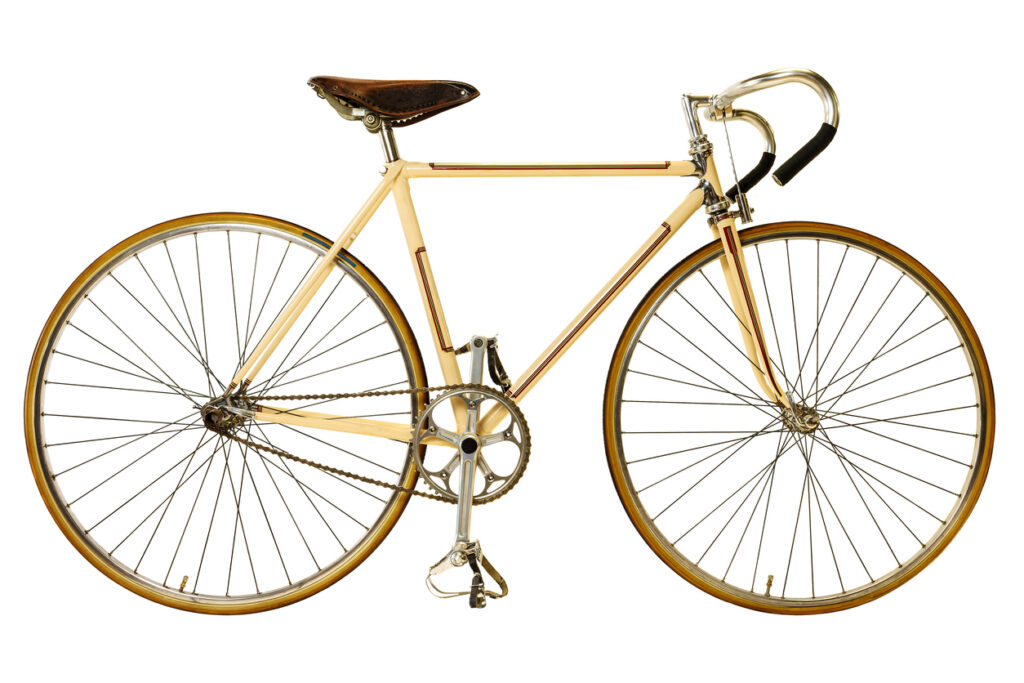
Bicycle Day is observed annually on 19 April, commemorating the date in 1943 when Swiss chemist Albert Hofmann took the first intentional dose of lysergic acid diethylamide (LSD) and rode his bicycle home from his laboratory in Basel, Switzerland. The day marks a pivotal moment in the history of science, pharmacology, and psychedelic research.
The Story Behind Bicycle Day
On 19 April 1943, Albert Hofmann, a research chemist at Sandoz Laboratories in Basel, Switzerland, ingested 250 micrograms of LSD-25 — a compound he had first synthesised five years earlier while searching for a respiratory and circulatory stimulant. Hofmann had accidentally absorbed a small amount of the substance through his fingertips three days prior, on 16 April, experiencing what he described as “an uninterrupted stream of fantastic pictures, extraordinary shapes with intense, kaleidoscopic play of colours.” Intrigued, he decided to conduct a deliberate self-experiment.
The effects of the 250-microgram dose came on quickly and powerfully. Hofmann became disoriented, anxious, and struggled to speak coherently. He asked his laboratory assistant, Susi Ramstein, to escort him home. Because wartime restrictions prohibited automobile use in Basel, the two departed on bicycles — the journey that would give this day its name. During the ride, Hofmann experienced intense visual distortions, a sense that he was not moving despite pedalling, and alternating waves of fear and euphoria. His neighbour, who brought him milk to drink, appeared to him as “a malevolent, insidious witch.”
Once the acute effects subsided, Hofmann’s anxiety gave way to a sense of profound wellbeing. He later described the experience in his 1979 book LSD: My Problem Child, writing that he felt “reborn” and saw the world with a renewed sense of wonder. The bicycle ride from his laboratory to his home at Uetlibystrasse 15 became the defining image of this historic day — a journey of just a few kilometres that would change the course of pharmacological science.
The significance of Hofmann’s discovery extended far beyond a single bicycle ride. LSD became the subject of extensive psychiatric research throughout the 1950s and 1960s, with scientists exploring its potential for treating alcoholism, depression, anxiety, and post-traumatic stress. The substance also had a profound influence on art, music, and culture during the counterculture movement of the 1960s. Today, after decades of restriction, psychedelic-assisted therapy is experiencing a scientific renaissance, with clinical trials at institutions like Johns Hopkins University and Imperial College London investigating the therapeutic potential of LSD, psilocybin, and related compounds.
When and Where is Bicycle Day Celebrated?
Bicycle Day falls on Sunday, 19 April 2026. It is observed on the same fixed date — 19 April — every year, commemorating the date of Hofmann’s bicycle ride in 1943. The day is marked internationally, with events in the United States, Europe, and beyond. Basel, Switzerland, holds a particular connection as the city where the original ride took place. If you are interested in other science-focused occasions, Mathematics and Statistics Awareness Month runs throughout April and celebrates the role of scientific thinking in everyday life.
Traditions and Customs
Bicycle Day is observed in a variety of ways, from academic events to community celebrations:
- Educational lectures and panels — Universities, research institutes, and psychedelic societies host talks on the history of LSD, the current state of psychedelic research, and the life of Albert Hofmann.
- Art exhibitions and film screenings — Bicycle Day has inspired a rich tradition of psychedelic art. Galleries and venues often showcase work influenced by psychedelic experiences, alongside screenings of documentaries about Hofmann and the history of LSD.
- Bicycle rides — In tribute to Hofmann’s original journey, some communities organise group bicycle rides on 19 April. These range from casual community rides to organised events in cities with active cycling cultures.
- Scientific conferences — Organisations like MAPS (Multidisciplinary Association for Psychedelic Studies) and the Beckley Foundation use Bicycle Day as an occasion to highlight advances in psychedelic science and advocate for evidence-based drug policy reform.
- Reading and reflection — Many observers mark the day by reading Hofmann’s writings, particularly LSD: My Problem Child, or by exploring the broader history of psychedelic research and its cultural impact.
Ways to Celebrate Bicycle Day
Here are some ways to observe Bicycle Day:
- Read Albert Hofmann’s LSD: My Problem Child — Hofmann’s account of his discovery and the subsequent decades of LSD research remains the definitive primary source on the subject.
- Attend a lecture or webinar — Many universities and research organisations host Bicycle Day events. Check local listings or online platforms for talks on psychedelic science.
- Go for a bicycle ride — Pay tribute to Hofmann’s famous ride by cycling through your local area. Some cities organise Bicycle Day group rides.
- Explore psychedelic art — Visit a gallery, browse online collections, or create your own artwork inspired by the visual culture that LSD helped shape.
- Learn about current psychedelic research — Read about the latest clinical trials investigating psychedelic-assisted therapy for depression, PTSD, and addiction. Organisations like MAPS and the Beckley Foundation publish accessible summaries of ongoing research.
- Share the history online — Use the event hashtags to share facts about Hofmann, the history of LSD, and the current renaissance in psychedelic science.
Facts and Figures
- Albert Hofmann first synthesised LSD in 1938, but its psychoactive effects were not discovered until 1943 — a five-year gap between creation and accidental discovery.
- Hofmann’s intentional dose on 19 April 1943 was 250 micrograms — roughly 10 times what would later be considered a standard recreational dose.
- The term “Bicycle Day” was coined in 1985 by Thomas B. Roberts, a psychology professor at Northern Illinois University.
- Albert Hofmann lived to the age of 102, passing away on 29 April 2008 at his home in Burg im Leimental, Switzerland.
- In 2022, Australia became the first country to approve the use of MDMA and psilocybin for therapeutic use, signalling a major shift in psychedelic policy.
Frequently Asked Questions
What is Bicycle Day?
Bicycle Day commemorates 19 April 1943, when Swiss chemist Albert Hofmann took the first intentional dose of LSD and rode his bicycle home from his laboratory in Basel, Switzerland. The day marks a landmark moment in the history of pharmacology and psychedelic science.
When is Bicycle Day in 2026?
Bicycle Day is on Sunday, 19 April 2026.
Is Bicycle Day about cycling?
Despite its name, Bicycle Day is not primarily about cycling. The name refers to Albert Hofmann’s bicycle ride home on 19 April 1943 after ingesting LSD. The bicycle was his mode of transport because wartime restrictions in Basel prohibited automobile use.
Spread the Word
Share Bicycle Day with your community using #BicycleDay and #BicycleDay2026. Whether you mark the occasion with a lecture, a ride, or a conversation about the history of psychedelic science, every bit of awareness helps keep this remarkable story alive.
Related Awareness Days
- World Bicycle Day — Celebrated on 3 June, this UN-recognised day promotes cycling as a sustainable and healthy mode of transport.
- Mathematics and Statistics Awareness Month — Running throughout April, this month celebrates the role of mathematical and scientific thinking in society.
- Bike Week — Taking place in June, this event encourages cycling across the United Kingdom with events, challenges, and community rides.
Links
Plan your next campaign
Use Awareness Planner to discover events, build content calendars, and stay ahead of key dates.



2026 Awareness Days Wall Planner
Every key awareness day at a glance. Perfect for offices, staff rooms, and team planning.
View Calendar →

