

- This event has passed.
Eid al-Adha
May 27 - May 29
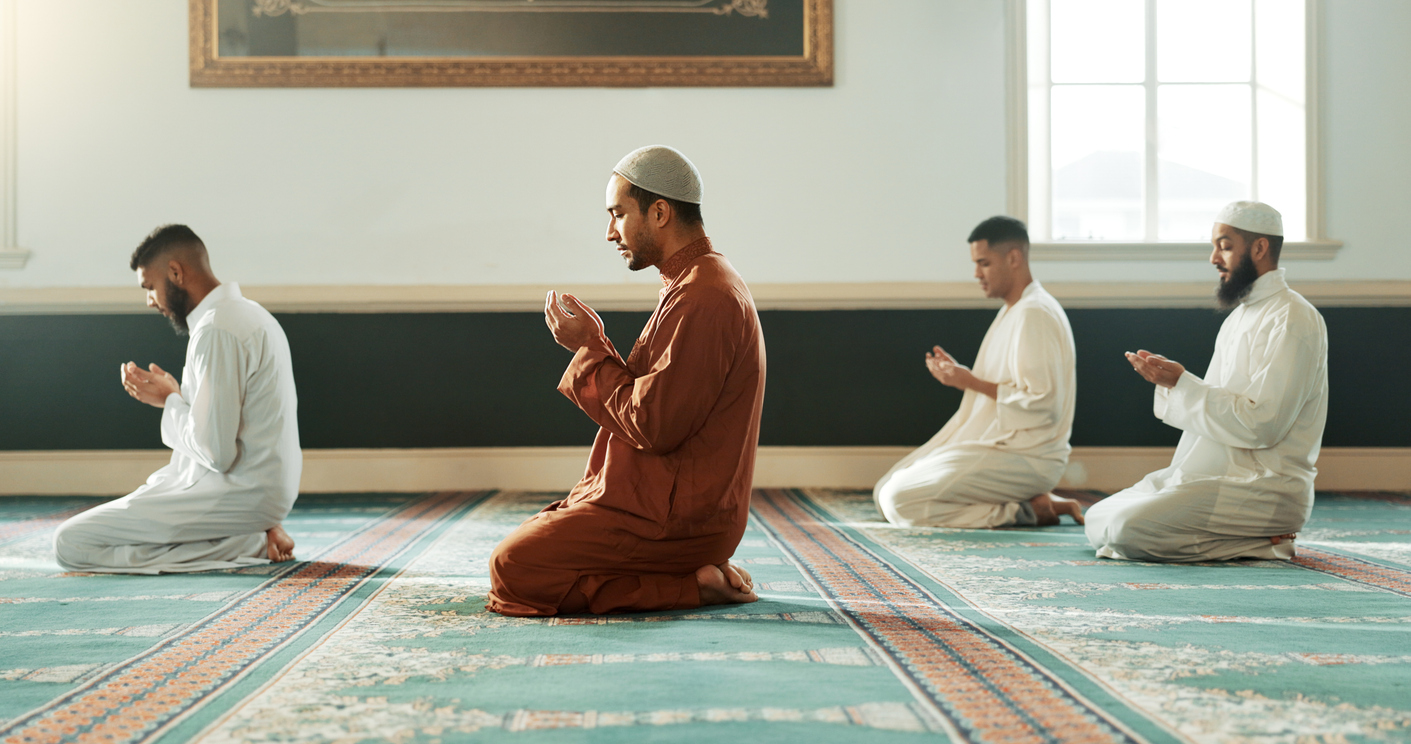

Eid al-Adha, also known as the Festival of Sacrifice or the Greater Eid, is one of the two most important holidays in the Islamic calendar. In 2026, it is expected to begin on or around Wednesday, 27 May, though the exact date depends on the sighting of the crescent moon and may vary by a day in different countries. The festival commemorates the willingness of the Prophet Ibrahim (Abraham) to sacrifice his son Ismail as an act of obedience to God, and it coincides with the annual Hajj pilgrimage to Makkah.
The Story Behind Eid al-Adha
The origins of Eid al-Adha are rooted in one of the most significant narratives shared across Islam, Christianity, and Judaism. According to Islamic tradition, the Prophet Ibrahim was tested by God through a dream in which he was commanded to sacrifice his beloved son, Ismail. Ibrahim shared the vision with Ismail, and both father and son submitted to God’s will. As Ibrahim prepared to carry out the sacrifice, he was visited by the Angel Jibreel (Gabriel), who informed him that God was satisfied with his devotion. A ram was provided from heaven as a substitute sacrifice.
This act of complete submission — the Arabic word “Islam” itself means submission to God — became the foundation for the annual sacrifice (Qurbani) that Muslims perform during Eid al-Adha. The story emphasises the values of faith, obedience, and trust in divine wisdom. The ritual stoning of the Devil during the Hajj also connects to this narrative: according to tradition, Iblis (Satan) attempted to tempt Ibrahim and his family away from carrying out God’s command, and Ibrahim drove him away by throwing pebbles.
Eid al-Adha falls on the 10th day of Dhul Hijjah, the twelfth and final month of the Islamic lunar calendar. This timing is significant because it coincides with the climax of the Hajj pilgrimage — the fifth pillar of Islam — when millions of Muslims gather in Makkah (Mecca) to perform the sacred rites. Even those who are not performing Hajj observe Eid al-Adha in their own communities, creating a sense of global unity among the world’s approximately 1.8 billion Muslims.
The festival typically lasts for three days, during which families gather for prayers, feasting, and charitable giving. The Qurbani sacrifice — traditionally of a sheep, goat, cow, or camel — is divided into three parts: one-third for the family, one-third for friends and neighbours, and one-third for those in need. This practice of sharing ensures that even the poorest members of the community can participate in the celebration.
When and Where is Eid al-Adha Celebrated?
In 2026, Eid al-Adha is expected to begin on or around Wednesday, 27 May, though the precise date will only be confirmed closer to the time, following the sighting of the crescent moon by religious authorities. The festival is celebrated by Muslims worldwide — across the Middle East, South Asia, Southeast Asia, Africa, Europe, the Americas, and Australasia.
Because the Islamic calendar is lunar and approximately 10 to 12 days shorter than the Gregorian calendar, Eid al-Adha shifts earlier each year relative to the Western calendar.
| Year | Expected Date |
|---|---|
| 2026 | Wednesday, 27 May (approx.) |
| 2027 | Sunday, 16 May (approx.) |
| 2028 | Friday, 5 May (approx.) |
| 2029 | Tuesday, 24 April (approx.) |
| 2030 | Saturday, 13 April (approx.) |
Note: All dates are approximate and subject to confirmation based on moon sighting.
Traditions and Customs
Eid al-Adha is rich in meaningful traditions observed across diverse Muslim communities:
- Eid prayers (Salat al-Eid) — The day begins with a special congregational prayer, typically held at mosques or outdoor prayer grounds. Muslims dress in their finest clothes and gather to pray together, followed by a sermon (khutbah).
- Qurbani (animal sacrifice) — In remembrance of Ibrahim’s willingness to sacrifice, Muslims who can afford to do so sacrifice an animal. The meat is divided into three equal portions: for the family, for friends and neighbours, and for the poor and needy.
- Charitable giving — Generosity is central to Eid al-Adha. Beyond the Qurbani distribution, many Muslims make additional charitable donations to ensure that everyone in their community can celebrate.
- Family gatherings and feasting — Extended families come together for celebratory meals. Traditional dishes vary by region but often feature lamb, goat, or beef prepared with local spices and recipes passed down through generations.
- Exchanging gifts and greetings — Muslims greet one another with “Eid Mubarak” (blessed Eid). Children often receive gifts, new clothes, or money (Eidi) from elders.
Ways to Celebrate Eid al-Adha
Whether you are Muslim or a friend or colleague of someone observing Eid, here are ways to participate:
- Attend or learn about Eid prayers — If you are Muslim, attend the morning prayers at your local mosque or prayer ground. If you are not Muslim, some communities welcome respectful visitors during Eid celebrations.
- Arrange a Qurbani donation — Many charitable organisations facilitate Qurbani on behalf of those who cannot perform the sacrifice themselves, distributing meat to families in need around the world.
- Host or attend a family meal — Prepare traditional dishes and invite extended family. Sharing food is one of the most fundamental expressions of Eid’s spirit of generosity.
- Extend Eid greetings — Wish your Muslim friends, neighbours, and colleagues “Eid Mubarak.” A simple greeting shows awareness and respect.
- Donate to charity — Make a charitable contribution in the spirit of the day. Many Islamic charities run special Eid al-Adha campaigns supporting vulnerable communities worldwide.
- Learn about the Hajj — Eid al-Adha coincides with the Hajj pilgrimage. Take time to understand one of the largest annual gatherings in the world and its significance to Muslims.
Facts and Figures
- Eid al-Adha is observed by approximately 1.8 billion Muslims worldwide, making it one of the most widely celebrated religious festivals on earth.
- The Hajj pilgrimage, which coincides with Eid al-Adha, attracts over 2 million pilgrims to Makkah each year.
- The word “Adha” comes from the Arabic for “sacrifice” or “offering.”
- Eid al-Adha typically lasts for three days, though observance lengths vary by country and community.
- The story of Ibrahim’s sacrifice appears in the Quran (Surah As-Saffat, 37:100-112) and has parallels in the Bible (Genesis 22) and the Torah.
Frequently Asked Questions
What is Eid al-Adha?
Eid al-Adha, the Festival of Sacrifice, is one of the two major Islamic holidays. It commemorates the willingness of Prophet Ibrahim to sacrifice his son in obedience to God and coincides with the annual Hajj pilgrimage.
When is Eid al-Adha in 2026?
Eid al-Adha is expected to begin on or around Wednesday, 27 May 2026, subject to confirmation based on moon sighting.
What is Qurbani?
Qurbani is the ritual sacrifice of an animal (typically a sheep, goat, cow, or camel) performed during Eid al-Adha. The meat is divided into three parts: one-third for the family, one-third for friends and neighbours, and one-third for those in need.
Spread the Word
Share the spirit of Eid al-Adha with your community using #EidAlAdha and #EidMubarak2026. Whether you mark the occasion with prayer, a family meal, or charitable giving, every act of sharing and generosity honours the spirit of this festival.
Related Awareness Days
- International Day of Charity — Observed on 5 September, celebrating the spirit of giving and compassion that is central to Eid al-Adha.
- International Day of Families — Celebrated on 15 May, honouring the family bonds that are at the heart of Eid celebrations.
- World Day for Cultural Diversity — Observed on 21 May, promoting understanding and respect between cultures and traditions.
Links
]]>Plan your next campaign
Use Awareness Planner to discover events, build content calendars, and stay ahead of key dates.


2026 Awareness Days Wall Planner
Every key awareness day at a glance. Perfect for offices, staff rooms, and team planning.
View Calendar →

