

World Whale Day
February 21, 2027
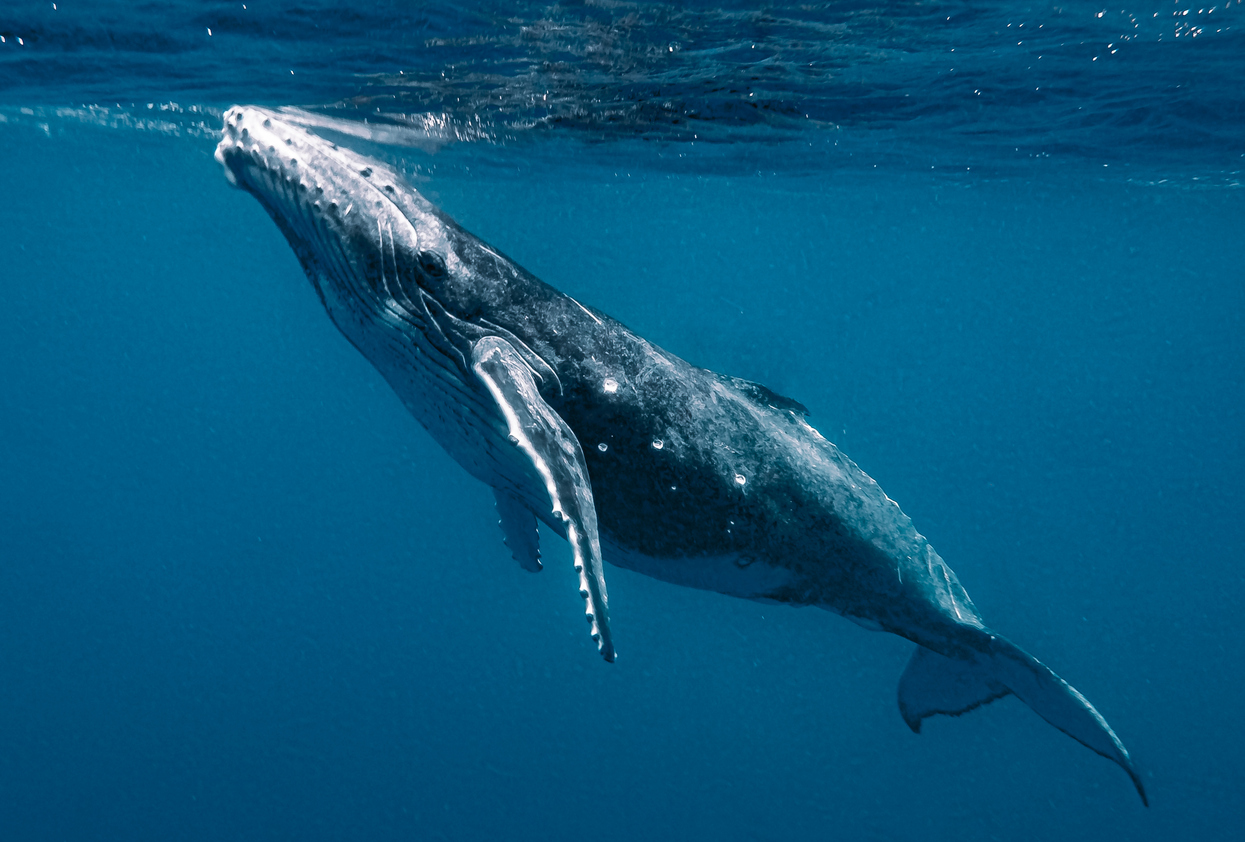
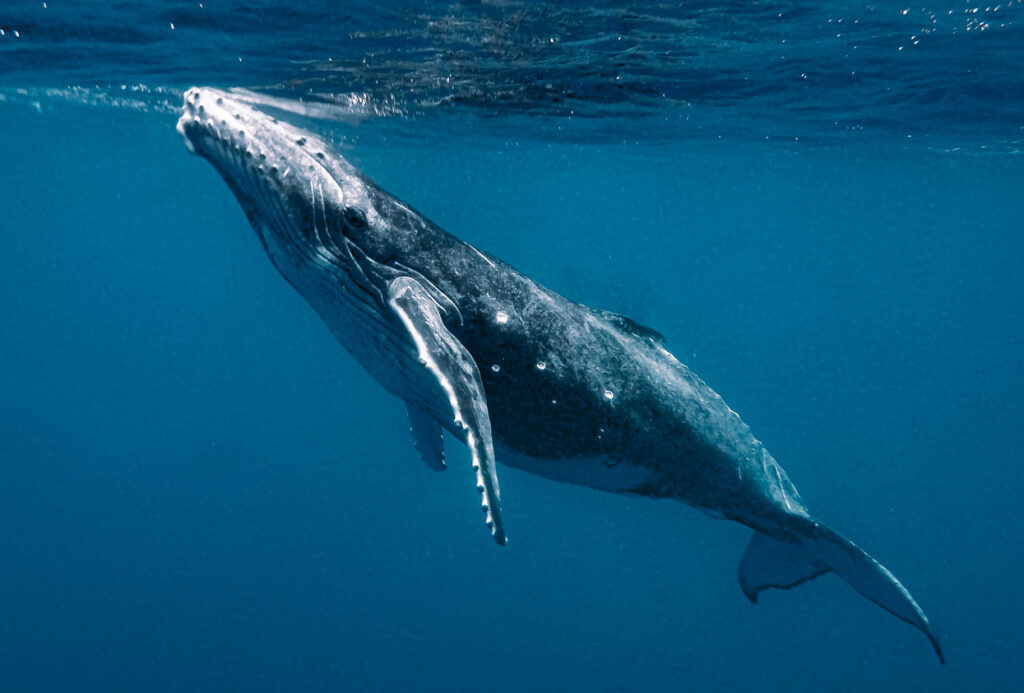
World Whale Day is celebrated on the third Sunday of February each year. In 2027, it falls on Sunday, 21 February. Originally established in Maui, Hawaii, to honour the humpback whales that migrate to Hawaiian waters each winter, the day has grown into a global observance raising awareness about whale conservation, marine ecosystems, and the threats facing cetacean species worldwide.
What is World Whale Day?
World Whale Day was founded in 1980 by Greg Kaufman as part of the Maui Whale Festival in Hawaii. The day was created to draw attention to the plight of humpback whales, which were severely depleted by commercial whaling throughout the 20th century. Today, World Whale Day serves as a broader celebration of all whale species and a platform for marine conservation organisations to highlight ongoing threats including climate change, ocean pollution, ship strikes, and entanglement in fishing gear.
When is World Whale Day?
World Whale Day falls on the third Sunday of February. In 2027, that is Sunday, 21 February.
| Year | Date |
|---|---|
| 2027 | Sunday, 21 February |
| 2028 | Sunday, 20 February |
| 2029 | Sunday, 18 February |
| 2030 | Sunday, 17 February |
| 2031 | Sunday, 16 February |
Why World Whale Day Matters
Despite significant recovery since the international moratorium on commercial whaling in 1986, many whale species remain vulnerable. The North Atlantic right whale population stands at fewer than 350 individuals, making it one of the most endangered large animals on the planet. Climate change is disrupting migration patterns and food sources, while ocean plastic pollution poses a growing threat. World Whale Day provides an annual focal point for conservation messaging and public engagement. For those passionate about marine life, World Shark Day in July offers another opportunity to champion ocean conservation.
How to Get Involved in World Whale Day
- Go whale watching — If you live near a coast where whales migrate, book an ethical whale-watching tour. Many operators donate a portion of proceeds to conservation.
- Adopt a whale — Organisations like the World Wildlife Fund and Whale and Dolphin Conservation offer symbolic whale adoption programmes that fund research and protection efforts.
- Reduce single-use plastics — Ocean pollution directly harms whales. Commit to reducing your plastic consumption, particularly single-use items.
- Learn about whale species — From the blue whale (the largest animal ever to have lived) to the narwhal (with its distinctive tusk), each species has a fascinating story.
- Support marine conservation organisations — Donate to groups working on whale conservation, ocean cleanup, and marine habitat protection.
- Share whale facts on social media — Help spread awareness by posting facts, photos, and information about whale conservation using the day’s hashtags.
- Watch a whale documentary — Films like Blue Planet II and Whale offer stunning footage and compelling narratives about whale behaviour and conservation.
History of World Whale Day
World Whale Day was established in 1980 in Maui, Hawaii, by Greg Kaufman, founder of the Pacific Whale Foundation. The observance was created as part of the Maui Whale Festival, which celebrates the annual arrival of humpback whales to Hawaiian waters for their winter breeding season. Kaufman, a marine biologist, recognised the power of public celebration to build support for whale conservation at a time when many species were still recovering from decades of industrial whaling.
The day gained broader recognition over the following decades as whale conservation became a mainstream environmental cause. The International Whaling Commission’s 1986 moratorium on commercial whaling was a landmark achievement, but enforcement and compliance have remained contentious. Japan, Norway, and Iceland have continued various forms of whaling, and new threats from shipping, fishing, and climate change mean that whale populations continue to face challenges.
Noteworthy Facts About World Whale Day
- The blue whale is the largest animal ever known to have lived, reaching lengths of up to 30 metres and weights of nearly 200 tonnes.
- Humpback whale songs can last up to 20 minutes and be heard over distances of more than 30 kilometres underwater.
- The North Atlantic right whale population is estimated at fewer than 350 individuals, making it critically endangered.
- Whales play a crucial role in ocean ecosystems by cycling nutrients through the water column, a process known as the “whale pump.”
- A single great whale sequesters an estimated 33 tonnes of carbon dioxide over its lifetime, making whale conservation a climate action strategy.
Frequently Asked Questions
What is World Whale Day?
World Whale Day is an annual observance on the third Sunday of February that raises awareness about whale conservation and celebrates these magnificent marine mammals.
When is World Whale Day in 2027?
World Whale Day falls on Sunday, 21 February 2027.
Who started World Whale Day?
World Whale Day was founded in 1980 by Greg Kaufman, founder of the Pacific Whale Foundation, as part of the Maui Whale Festival in Hawaii.
Spread the Word
Help raise awareness by sharing World Whale Day with your friends, family, and followers. Use the hashtags #WorldWhaleDay and #WorldWhaleDay2027 on social media.
Related Awareness Days
- World Shark Day — Celebrated on 14 July, this day raises awareness about shark conservation and ocean ecosystems.
- World Wetlands Day — Observed on 2 February, this day highlights the importance of wetland habitats for global biodiversity.
- World Biodiversity Day — Falling on 22 May, this UN day promotes awareness of biodiversity issues worldwide.
Links
]]>Plan your next campaign
Use Awareness Planner to discover events, build content calendars, and stay ahead of key dates.



2026 Awareness Days Wall Planner
Every key awareness day at a glance. Perfect for offices, staff rooms, and team planning.
View Calendar →

